Removing a tree is a significant decision that can affect a property's safety, appearance, and long-term landscape plans. Trees may need to come down because of extensive decay, storm damage, structural instability, or interference with nearby buildings and utilities. Before arranging work, property owners should understand why removal is being considered and whether the tree presents an immediate concern. A qualified professional can assess its condition and explain the available options based on its location, size, and overall health.
Not every damaged or declining tree requires immediate removal, and some situations may be addressed through other forms of care. However, a tree with substantial structural problems or severe deterioration may pose risks that make removal the more appropriate option. An experienced tree removal service should be able to explain the reasoning behind its recommendation rather than simply proposing the same solution for every property. A clear assessment gives owners a better understanding of the work involved and helps them make an informed decision.
Verify Professional Experience and Qualifications
Tree removal requires specialized knowledge, equipment, and an understanding of how trees respond to cutting and changes in support. The work can involve heavy limbs, elevated positions, nearby structures, and unpredictable conditions. Hiring an experienced provider helps ensure that the project is evaluated with these factors in mind. Property owners should ask about the company's background, the types of trees it handles, and its experience with projects involving similar site conditions.
Industry experience can also influence how efficiently a company plans and completes a job. A provider familiar with large trees, confined spaces, or storm-damaged specimens may be better prepared to recognize challenges before work begins. According to the U.S. Bureau of Labor Statistics, approximately one-fifth of grounds maintenance workers are self-employed. This illustrates the range of independent professionals working in the broader property maintenance field, making it important to evaluate each company's qualifications and service capabilities individually. A company's experience, training, and approach to safety are more meaningful indicators than a business title alone.
Confirm Insurance and Safety Practices
Tree removal can expose workers and surrounding property to significant hazards. Falling limbs, unstable trunks, heavy equipment, and overhead utility lines all require careful planning. Before hiring a provider, property owners should ask about relevant insurance coverage and request confirmation that the company maintains appropriate protection for its work. This step can help clarify how potential property damage or work-related incidents are addressed.
Safety procedures deserve equal attention. A professional company should evaluate the site, identify obstacles, and establish a plan for controlling the work area. The crew may need to account for nearby buildings, vehicles, fences, landscaping, pedestrians, and utility infrastructure. A tree removal service should be prepared to explain how these factors affect the proposed approach. Clear answers demonstrate that the company recognizes the responsibilities involved in working on an occupied residential or commercial property.
Compare Estimates and Project Details
Cost is an important consideration, but the lowest estimate does not necessarily represent the most suitable choice. Tree removal pricing can vary according to tree height, trunk diameter, condition, accessibility, equipment requirements, and the amount of debris involved. A tree located close to a home or surrounded by obstacles may require a more involved removal process than one in an open area. Property owners should compare estimates based on the actual scope of work rather than looking at the final numbers alone.
A detailed estimate should explain what the quoted service includes. For example, one company may include cutting the tree, removing branches, and hauling away debris, while another may list cleanup or stump grinding as separate services. Understanding these differences helps prevent confusion once the project is underway. Ask whether additional charges could apply if unexpected conditions are discovered, and request clarification about any services that are not included. Written project details make it easier to compare providers fairly and establish expectations before scheduling.
Assess Equipment and Removal Methods
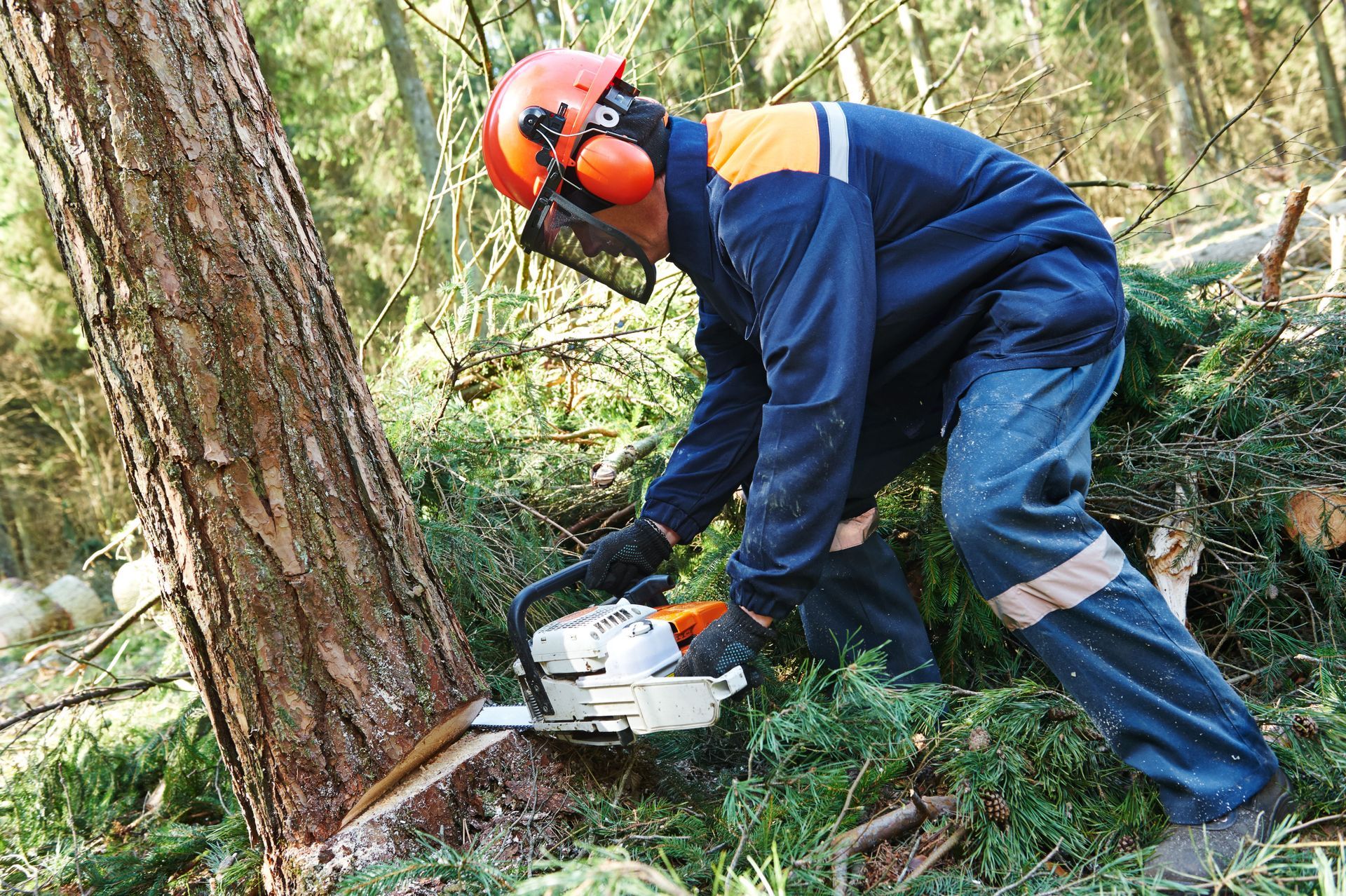
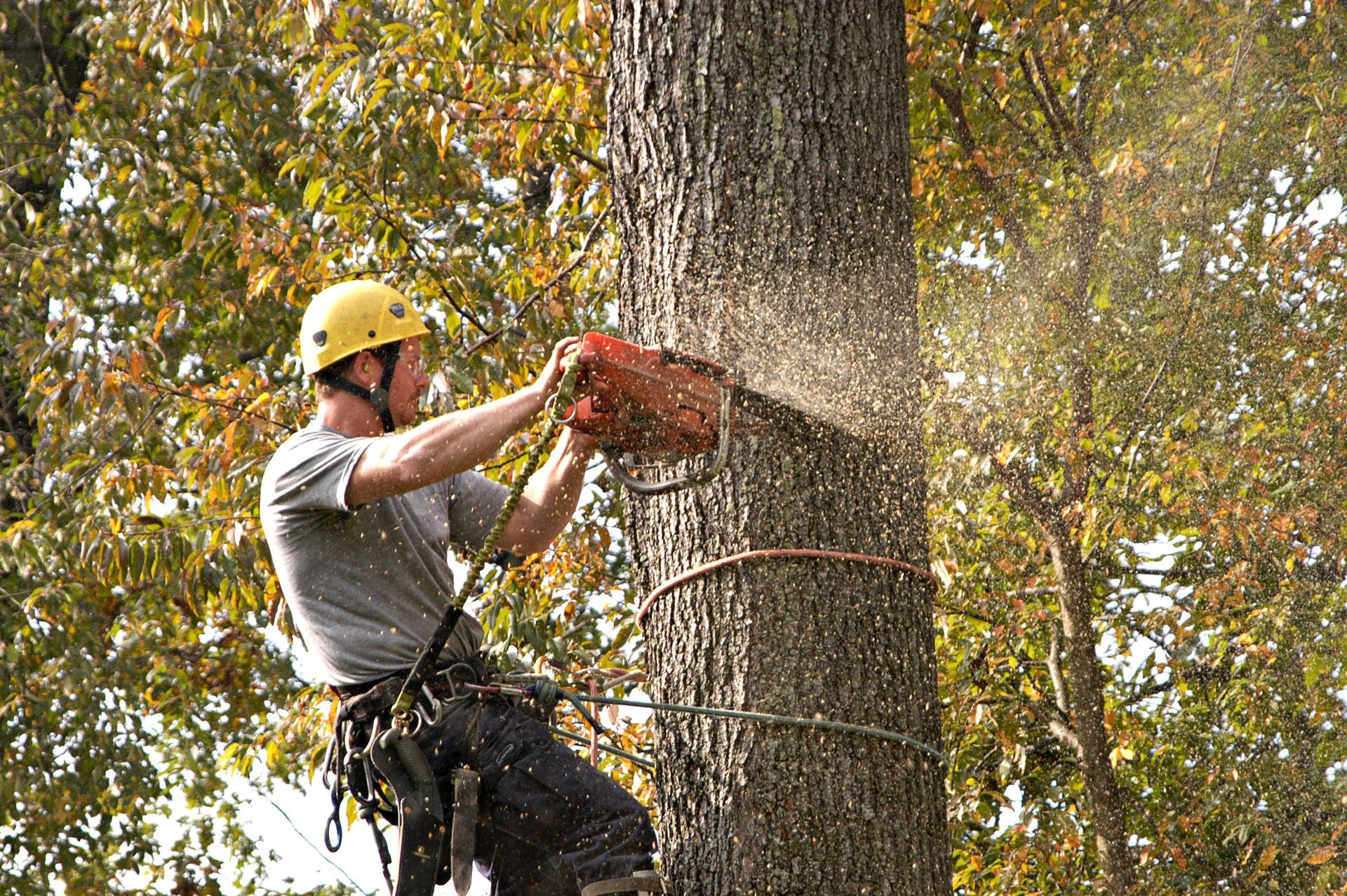
The equipment used for a removal project should match the tree's size, condition, and surroundings. Depending on the circumstances, professionals may use chainsaws, climbing equipment, lifts, cranes, or specialized machinery to complete the work. The available space and proximity to structures can influence which methods are practical. A company should evaluate these conditions before deciding how the tree will be dismantled or brought down.
A professional provider should also explain how the removal process will be managed. In some situations, a tree can be felled in a controlled direction within an open area. In other cases, the crew may need to remove it in smaller sections to avoid nearby obstacles. A qualified
tree removal service considers the risks associated with each approach and selects equipment suited to the site. Property owners should feel comfortable asking how the company plans to protect surrounding features and maintain control throughout the project.
Review Cleanup and Additional Services
Removing the tree itself is only one part of completing the project. Branches, logs, leaves, and other debris can remain after the cutting work is finished, potentially leaving the property difficult to use. Before choosing a company, determine whether cleanup and hauling are included in the estimate. Some providers remove all generated debris, while others leave certain materials on-site for the property owner to handle separately. Knowing what to expect helps avoid misunderstandings.
Stump removal is another service worth discussing before work begins. A remaining stump may interfere with mowing, landscaping, construction, or future planting plans. Some property owners prefer to keep a stump for decorative or environmental reasons, while others want it removed completely. Grinding and full stump removal are different processes, so the provider should explain which option is available and what it involves. Discussing cleanup, stump work, and any related services together can make scheduling more convenient and help establish a complete project plan.
Examine Communication and Customer Feedback
Communication can make a substantial difference in how smoothly a tree removal project progresses. From the initial inquiry through the final cleanup, property owners should receive clear information about scheduling, preparation, project scope, and possible complications. A professional company should be willing to answer questions and explain technical details in understandable terms. If a provider gives vague responses or avoids discussing important project considerations, it may be worth evaluating other options.
Customer feedback can offer additional insight into a company's service approach. Reviews may describe punctuality, communication, cleanup, professionalism, and how the crew handled unexpected challenges. Look for patterns across multiple comments rather than relying on one unusually positive or negative account. References or examples of comparable completed projects may also help property owners understand the company's capabilities. These details can provide a more complete picture of what working with the provider may involve.
Choosing a qualified provider involves more than finding someone available to cut down a tree. Property owners should consider experience, insurance, safety practices, equipment, cleanup, and the ability to explain the proposed work. Comparing these factors helps identify a company that can manage the project responsibly and account for the property's surroundings. A thorough evaluation also makes it easier to understand the services included and prepare for the work ahead.
At Summerhill's Service, we understand that every property and tree removal project has different requirements. Our team can discuss your concerns, evaluate the work involved, and help determine an appropriate approach for your property. Whether you are addressing a damaged tree, clearing space, or managing an unwanted tree near a structure, we aim to make the process straightforward and organized. Contact Summerhill's Service to discuss your project and learn how our services can help you move forward with your property plans.